News & InsightsPaint protection film for UK EV Owners: Choose your finish with CovrGard

Paint protection film for UK EV Owners: Choose your finish with CovrGard…

Electric cars are becoming a familiar sight on UK roads, from the Tesla Model Y and Model 3 to the Audi Q4 e-tron, BMW i4, Škoda Enyaq and Volvo EX30.

With more drivers investing in electric vehicles, keeping the paintwork looking its best is an important consideration, and there are a couple of things about EVs specifically that make paint protection worth thinking about sooner rather than later.

CovrGard PPF gives you a protective film bonded to your car’s painted panels. It’s available in a range of popular finishes including GLOS, MATT and SATN. You’re not just choosing protection; you’re choosing how your car looks while it’s protected.


The UK EV market is growing

Electric vehicles are no longer a niche choice for British motorists. In 2024, the UK registered 382,000 new battery-electric vehicles, representing 19.6% of all new car registrations, according to the Society of Motor Manufacturers and Traders (SMMT) data in our research dossier.

The market continued to grow in 2025. The Tesla Model Y was the UK’s best-selling electric car, with over 24,000 registrations. The Tesla Model 3 followed, with the Audi Q4 e-tron in third place.

Other popular models included the Audi Q6 e-tron, Ford Explorer, BMW i4, Škoda Enyaq, Kia EV3 and Volvo EX30.

With more drivers choosing electric vehicles, paint protection is relevant to a growing range of cars, not just high-end luxury models.


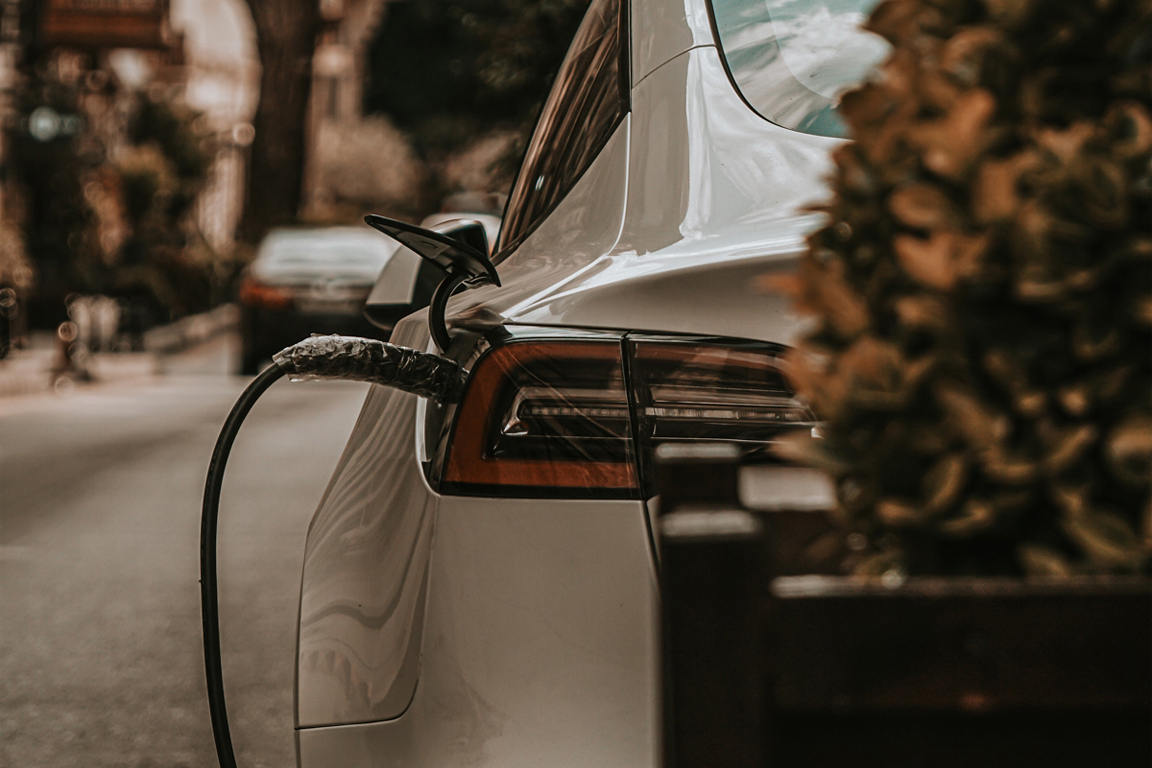
electric vehicle street charging

Why EVs are more exposed to paint damage

Most electric cars have almost no front grille. Look at the front at popular models from Tesla, Audi or Škoda and you’ll see one continuous run of painted panel facing the road. There’s grille, vents, or break in the surface. At motorway speeds, everything that gets thrown up by the cars ahead hits that area dead-on.

On most petrol and diesel cars, the grille breaks up the front surface and handles the impact from some of that debris but on an EV, it’s paint from top to bottom – and that’s the part where the paint chips first.

There’s a secondary issue here too. All manufacturers now use water-based paint systems, which produce a thinner, softer clear coat than older solvent-based alternatives. These finishes are better for the environment, and whilst they’re not inferior paint in the sense of being cheap or low-quality, they are more susceptible to swirl marks during washing, and they chip more readily than the harder clear coats found on older cars. More than one EV owner has been surprised by how quickly the front end picks up marks in the first few months.


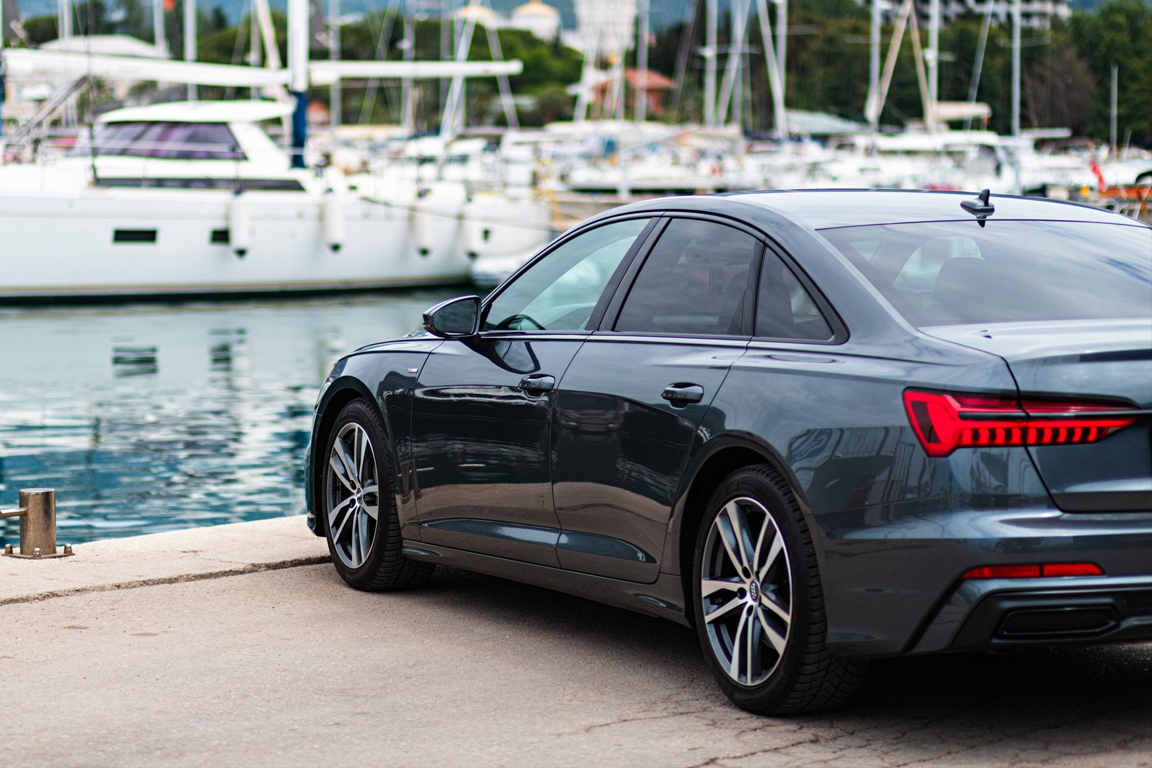
electric bmw on a city street

How PPF protects your EV, and how self-healing works

CovrGard paint protection film is a thin, clear thermoplastic polyurethane (TPU) film bonded to the car’s painted surface with a removable acrylic adhesive system. It’s flexible, sits closely to the panel contours, and when it’s fitted well it’s virtually invisible.

The protection works like this: stone chips, road grit and minor scrapes hit the film rather than the paint underneath. For smaller impacts, the film absorbs or deflects the force without any visible damage. For harder hits that do mark the film’s surface, there’s a further layer of protection from the self-healing topcoat.

Our self-healing PPF has a top layer that responds to heat. Light surface scratches close back up when the car warms up in sunlight or after a short drive, with the film surface returning to its original state – because that’s what the material is designed to do. Self-healing keeps the film looking the way it did when it was first installed, which in turn keeps your car looking the way it did when you took ownership.

Our PPF has a warranty period of between ten to twelve years depending on your location, the installation quality, and how well your car is looked after – see more details here ››


Choose the CovrGard finish that suits your EV

The finish is one of the biggest choices drivers can make with our PPF. You get protection either way; what you choose is what it looks like on the car.

GLOS: the classic high-shine finish

GLOS is CovrGard’s most poular selling film. It’s designed to sit invisibly over your car’s existing gloss paint, matching the finish and keeping the paint looking clean, deep and reflective. If your car came out of the showroom with a finish you loved and you want to keep it exactly that way, GLOS is the natural choice.

MATT: a completely different look

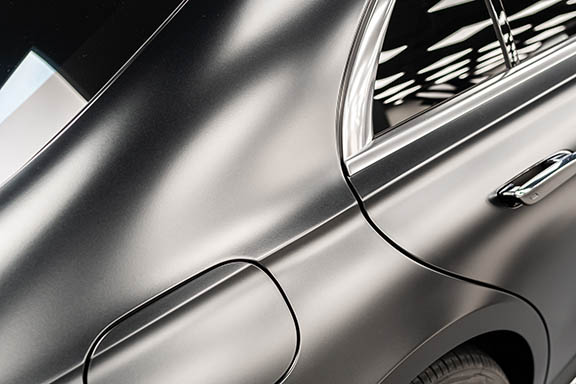
MATT is for drivers who have either chosen a factory finish matt paint option, which on its own can be very difficult to maintain over the lifetime of ownership – matt paint protection is key to prolonging the life of these expensive factory options! Or when applied over a gloss factory finish, it converts the appearance to a flat, matte surface. The result is sometimes described as a stealth look, which is a fair way to put it: it’s intentional, it’s distinctive, and it doesn’t follow the conventional polished-paint aesthetic.

It’s worth knowing that matte PPF is fully reversible and far more cost effective than factory paint options Plus if you change your mind, the film comes off and your original gloss paint is underneath, untouched.

SATN: the finish between the two

SATN sits between gloss and matte. It gives a softer, lower-sheen appearance than GLOS, with some reflection and depth, but without the full shine of a gloss surface. If you like the idea of a matte finish but want something a little more refined and less stark, SATN is worth considering it also matches some of the factory Satin paint options from certain manufacturers and protects these very difficult to maintain surfaces.

The right choice usually comes down to your car’s colour, your existing paint finish, and what you want the car to look like. A good installer will talk you through the options on your specific car before you commit.

We also offer specialist custom look CRBN and BLAK finishes, and your lights, windows and vulnerable panoramic roofs can also benefit from the similar protection as your paint – see our LITE, PANO and Windscreen Protection products for more info.


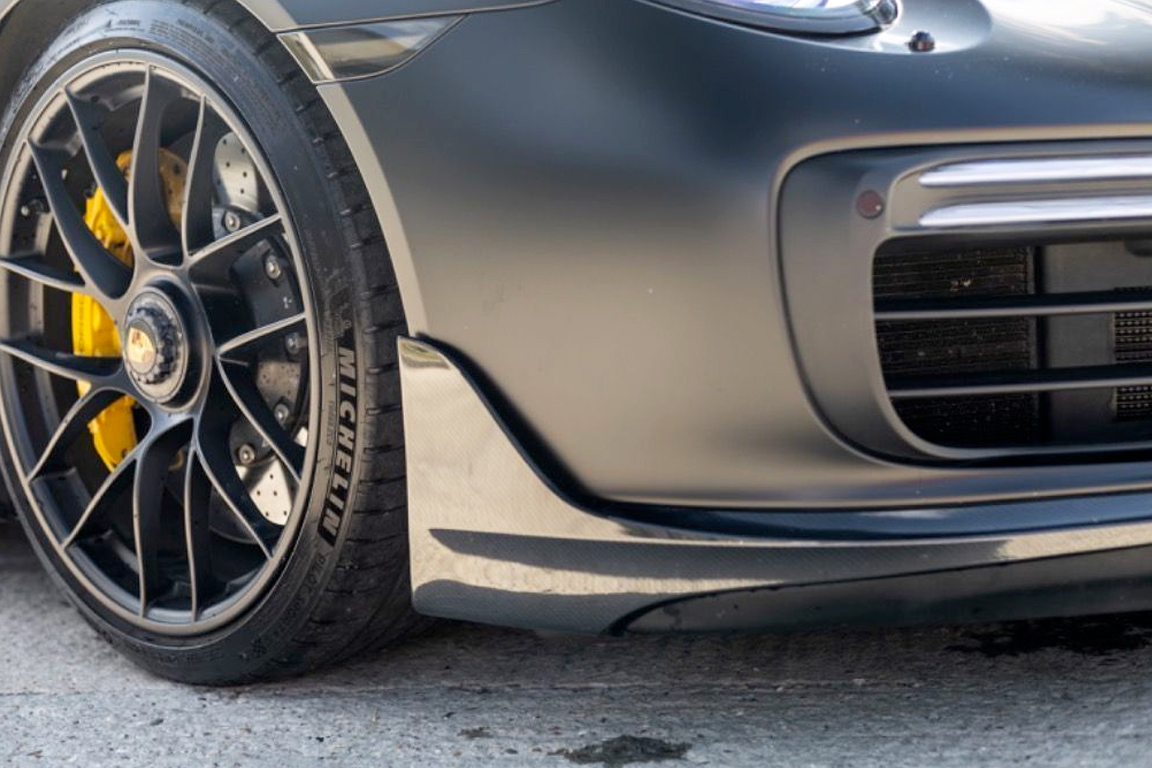
car bonnet protected by covrgard glos
product focus on covrgard matt and satn
Tesla Model Y

Which electric cars suit CovrGard PPF?

CovrGard PPF fits the ever growing range of current UK electric vehicles. Here are some of the most popular models our installers see most often.

Tesla Model Y and Model 3. Two of the best-selling EVs in the UK, both with clean, modern body lines that suit all CovrGard finishes. The front bonnet and bumper on both models are particularly exposed and a natural starting point for coverage.

The new Porsche Macan and now Cayenne EV models offer some serious performance alongside luxurious paint finishes and with the redesigned front ends can now suffer more damage from stone chips than previous models.

Audi Q4 e-tron and Q6 e-tron. Premium electric SUVs with a distinctive Audi finish. GLOS and GLOS+ work well for owners who want to maintain the polished look; MATT and SATN offer something more individual for drivers who want to stand out differently.

BMW i4. A sleek saloon profile with paintwork that responds well to a high-gloss finish. Protection on the leading panels is particularly useful if you cover regular motorway miles.

Škoda Enyaq and Kia EV3. PPF isn’t just for premium models. Stone chips don’t care what the car cost, and owners of everyday EVs who do high mileage will see the same benefit on the front end.

Volvo EX30 and Ford Explorer. Both models have been gaining ground in the UK market. CovrGard gives owners a choice of finish and coverage to suit their budget and how they use the car.

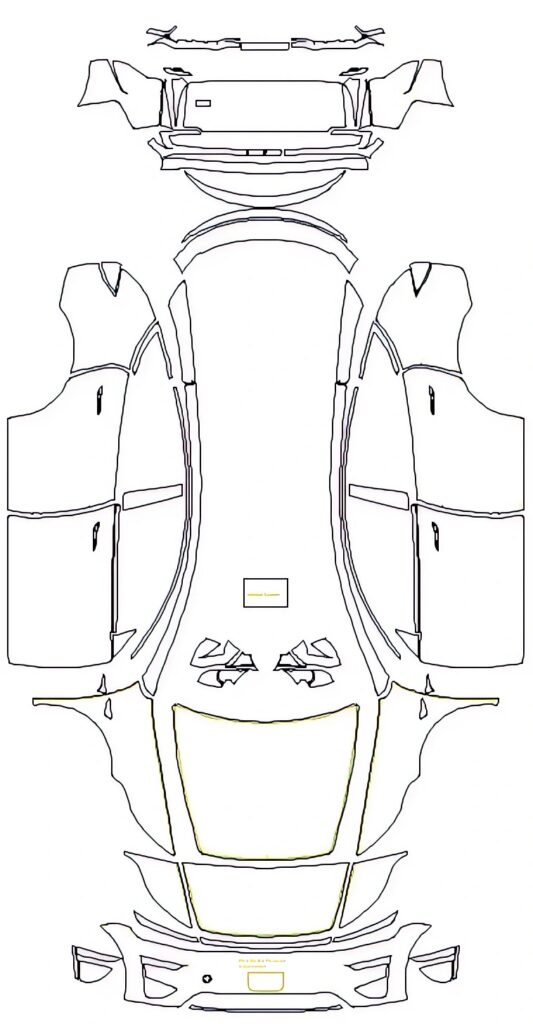
Tesla Model Y PPF GRAFX elements

PPF and your EV’s resale value

It’s not just new registrations that are growing – the used EV market in the UK is also increasing at pace. According to the SMMT, in 2025 274,815 used battery-electric cars changed hands – up 45.7% year on year. Auto Trader reported that used EV asking prices rose by over 3% year on year in July 2026, with prices for three-to-five-year-old EVs up by over 10%.

We won’t tell you PPF guarantees a higher resale price – we all know that the used car market isn’t that simple. What we can say is that paintwork in good original condition makes a real difference when a buyer is comparing cars. Chips and swirl marks on the bonnet are one of the first thing a careful buyer will see, and paintwork that’s been protected will help make your vehicle stand out when you come to sell.


Is PPF worth it for your EV?

We do get asked this question time and time again, and the honest answer is… it depends on how you use the car.

If you cover motorway miles regularly, it’s really a no-brainer. High-speed driving means more damage to your paint, especially on the front end. If you’re planning to keep your EV for several years, applying PPF early on means your paint stays in its original condition. A full wrap gives more comprehensive coverage and suits drivers who want factory-fresh paint throughout their ownership

If you mostly drive in town at lower speeds, then you might decide front-end protection is a good practical starting point: bonnet, front bumper, and the mirrors.

If your vehicle is leased either personally or through a company car scheme – there are serious cost implications at the end of term for damaged paintwork that can run into hundreds if not thousands to repair prior to handing back the vehicle and there is now a whole industry built up from offering these renovative services.

Your CovrGard installer will be the person best placed to give you the answer – they’ll look at your specific panels, finish and driving habits and advise you on the right film and coverage for your car.


Other considerations for EV owners

Does PPF affect sensors and cameras on my EV?
Properly installed PPF doesn’t interfere with sensors or cameras. An experienced installer will know the specific sensor placements on your model and work around them.

Is PPF better than ceramic coating for an EV?
They do different things. PPF provides physical protection against stone chips and impact; ceramic coating makes the car easier to maintain, adds gloss and chemical resistance, but won’t stop a chip. Many EV owners combine both: PPF on the most exposed panels, ceramic coating over the rest of the car.


READ MORE INSIGHTS FROM COVRGARD…

Social media

en_USEnglish