

HOW LONG DOES PAINT PROTECTION FILM LAST?
CovrGard General Manager Keith Mansfield answers your questions
“So, paint protection film is a transparent polyurethane layer that’s applied to a vehicle’s painted surfaces. It protects your paint against stone chips, fine scratches, insect residue and UV exposure.
“It wasn’t originally developed for cars. Early versions were used by the military to protect helicopter rotor blades and armoured vehicle edges from high-velocity debris. The same principle is applied to road cars, from daily drivers to high-value vehicles – any instance where protecting the paintwork is important.
“You’ve probably come across PPF but aren’t sure whether it justifies the cost. This guide will tell you what PPF does, what it doesn’t do, how it compares to ceramic coating, what to look for in an installer, and why it’s usually cheaper to protect your car paint from day one than try to repair it after damage has been done.”
What PPF protects against
PPF is effective at preventing:
- Stone chips on front-facing panels
- Fine scratches from washing and light contact
- Etching from bird droppings and insect residue
- UV-related fade over time
- Minor abrasion around edges, mirrors and high-contact areas
What PPF does not protect against
“PPF isn’t structural protection. It won’t prevent dents, collision damage, or problems caused by failing paint beneath the surface. Any chips or scratches already on your car will stay visible – they’re sealed in and can’t be hidden.”

The cost of repairing paint damage
“Just one stone chip repair in the UK typically costs between £150–£400. On higher-end vehicles or specialist finishes, that cost can rise quickly due to colour matching.
“ The recurring issue is once the repair has been done the car is immediately susceptible to this happeining again and again so if you’re regularly driving your vehicle on motorways – and that’s where most of your chip damage occurs – the potential cost of repair is endless. PPF prevents the damage instead of you having to repeatedly repair it.
“When it comes to matte, satin, or specialist finishes, these paints can’t be polished in the usual way, so any damage often means repainting the entire panel and the costs escalate dramatically.”
PPF versus ceramic coating – which one do you really need?
“This isn’t a one-or-the-other choice, as they do different jobs. Ceramic coating is a liquid layer that bonds to paint (or PPF). It brings out the gloss finish, repels water and contaminants, and makes cleaning easier. What it can’t do is absorb impact – a stone chip will damage the paint in the same way as unprotected paint. PPF is a physical barrier. It’s thicker, flexible, and designed to take impact.
“Used together, they complement each other. PPF protects high-impact areas such as the bonnet, wings, bumpers and mirrors. Ceramic coating can then be applied over the film and across the rest of the vehicle.
“If you want to prevent impact damage on a regularly driven vehicle, then PPF is the only choice that protects your paint.”
How can you tell when PPF has been installed properly?
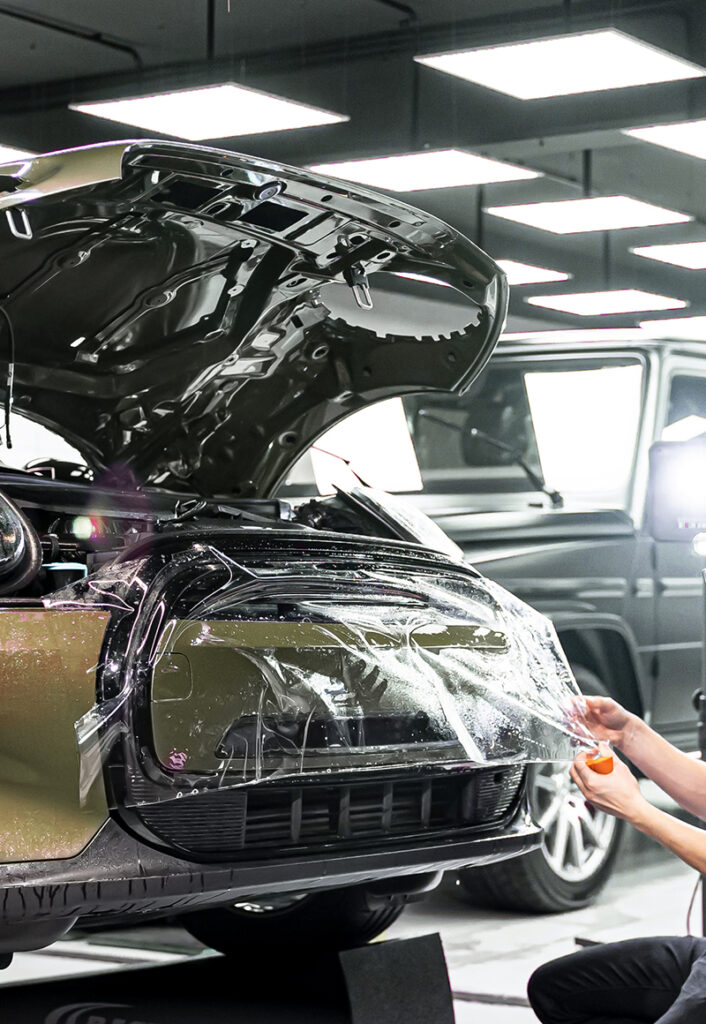
“The installation quality is as important as the film itself.”
Precision-cut templates
CovrGard installers typically use software-cut patterns (using our GRAFX application) that are specific to each vehicle.
Controlled environment
Installation should take place in a clean, dust-free space. Any contamination trapped under the film will remain visible.
Clear film specification
CovrGard is a premium quality PPF. The quality of other films varies significantly, depending on the manufacturer. A reputable installer will specify exactly what product is being used and why.
Appropriate coverage
Not every vehicle needs full-body PPF. A good installer will recommend coverage based on usage, not simply cost. Front-end protection typically offers the most real-world benefit. You can read more about typical PPF coverage packages here ››
How CovrGard approaches film and installation quality
“CovrGard produces all its own PPF, so we maintain complete control over material specification, film quality, supply chain and stock holding.
“Our GRAFX software system means installers are working with templates that are physically test-fitted before we release them. This means that the pattern has been test-fitted to a real panel, not just a digital model.
“Installers in the CovrGard network are trained and accredited by us directly, which means you’re getting a consistent standard across installations.
“If you’re considering CovrGard PPF, our accredited installers mean that both the material and the person doing the fitting have met extremely high standards.”
Expert maintenance tips to maximise the lifespan of your CovrGard PPF
- Wash your car regularly Dirt, grime, and other day-to-day road contaminants can accumulate on the film, leading to premature wear. Follow these best practices to keep everything looking its best:
- Use a pH-neutral car shampoo like CovrGard WASH to prevent damage to the film’s surface.
- Wash using the two-bucket method to avoid scratching.
- Dry with a microfibre towel to prevent water spots.
- Avoid harsh chemicals Strong solvents, degreasers, and acidic cleaners can weaken the film. Stick to PPF-safe cleaning products like the specially developed range from CovrGard to maintain film clarity and durability.
- Be cautious with automatic car washes Brush-based car washes can be too aggressive and may cause premature lifting or peeling of the edges. Instead, opt for touchless car washes or hand washing.
- Park in a garage or a carport
Prolonged sun exposure can cause UV damage and yellowing. Parking in a shaded area or garage can help preserve the clarity and effectiveness of your PPF.
- Remove any contaminants immediately
Whilst PPF protects the paint from bug splatter and etching, the film itself can become contaminated. Bird droppings, tree sap, and insect splatter all contain acidic substances that can damage your film. Clean these off as soon as possible using a PPF-friendly quick detailer like CovrGard BUGX.
- Avoid high-pressure water on film edges
If you’re using a pressure washer to clean your car, make sure you keep the nozzle at least 12 inches away and avoid spraying directly at the edges, as high pressure can cause lifting.
- Inspect the Film periodically
Check your PPF every few months for signs of wear. If you notice minor peeling, lifting, or contamination, consult a professional for repair or replacement.
Is Paint Protection Film worth it in the long run?
Absolutely! But then we would say that, wouldn’t we? Well – here’s some reasons why you should seriously consider it:
While CovrGard PPF requires an initial investment, its benefits outweigh the cost:
 Preserves your car’s resale value: Protects against scratches, chips, and fading.
Reduces the Need for Paint Repairs: Saves money on resprays and touch-ups.
Enhances Vehicle Aesthetics: Keeps your car looking showroom fresh.
Long-Term Protection: Especially valuable for luxury cars, sports cars, or vehicles exposed to rough road conditions on a daily basis.

How to get the most out of CovrGard PPF
To ensure your paint protection film lasts as long as possible, have it professionally installed, and follow a strict maintenance routine. By taking these steps, you can enjoy at least a decade of superior paint protection while keeping your car looking flawless.
Need Professional PPF Installation?
If you’re considering PPF for your vehicle or need expert advice on maintaining your current film, contact a CovrGard approved installer near you. Investing in professional application and proper care ensures you get the maximum benefits from your paint protection film.
Frequently Asked Questions (FAQs)
Q: Can I wax or polish over CovrGard paint protection film?
A: Yes, but it’s best to use PPF-safe waxes and polishes. Do not use carnauba wax based products and avoid abrasive compounds, as they can damage the film’s surface.
Q: Will CovrGard paint protection film turn yellow over time?
A: Our PPF has UV inhibitors to prevent yellowing. However, even the highest-quality films may discolour, from dirt ingress, if they’re not maintained correctly.
Q: Can CovrGard PPF be removed without damaging my car’s paint?
A: Yes, when removed by professionals, our PPF comes off cleanly without affecting your original paint.
Q: Is CovrGard PPF better than ceramic coating?
A: Our PPF offers physical protection against chips and scratches, while ceramic coating provides chemical resistance and ease of cleaning, some owners opt for a combination of both for the best results.
Q: Does CovrGard PPF require special cleaning products?
A: Whilst our PPF is durable, it’s best to use the specially developed range of CovrGard Aftercare products like the pH-neutral shampoos and non-abrasive cleaners to maintain its clarity and longevity.
Q: How long does CovrGard paint protection film last??
A: Typically 7–10 years with correct maintenance.
Q: Will CovrGard PPF change how my car looks?
A: On gloss paint, it’s effectively invisible in normal conditions. Some films show slight texture under direct light. Matte and satin films are designed to blend with original factory finishes.
Q: Is CovrGard PPF worth applying to an older car?
A: Only if the paint is in good condition. Poor surfaces should be corrected before installation.
By following these expert maintenance tips, you’ll ensure your paint protection film remains effective for years to come, keeping your car in pristine condition and maintaining its value.
Protect your car properly – find a CovrGard installer
If you’ve decided CovrGard PPF is right for your vehicle, installation quality is the next step.
CovrGard’s accredited network uses our own film and GRAFX template system to maintain a consistent standard.
Speak to our team to find your nearest installer and understand which level of coverage suits your vehicle.
 English
 Polish
 Dutch
 French
 Swedish
 German
 Hindi