Wiadomości i spostrzeżeniaMYTHS AND COMMON MISCONCEPTIONS ABOUT PAINT PROTECTION FILM

MYTHS AND COMMON MISCONCEPTIONS ABOUT PAINT PROTECTION FILMS

PPF has become one of the most talked-about car care products in recent years.

For enthusiasts and everyday drivers alike, it promises to keep paintwork looking fresh while protecting against stone chips, scratches, swirl marks, and environmental damage.

But like many innovations in the automotive world, PPF has attracted its fair share of myths and misconceptions. Some of these arise from outdated information, while others are perpetuated by companies selling alternatives. Unfortunately, these myths can confuse buyers, leading to poor decisions or even avoiding PPF altogether.

At CovrGard, we work with PPF day in and day out. We see the real results, and we also hear the questions and doubts that people bring to us. In this article, we’ll separate fact from fiction, so you can make an informed choice about whether Paint Protection Film is right for your vehicle.

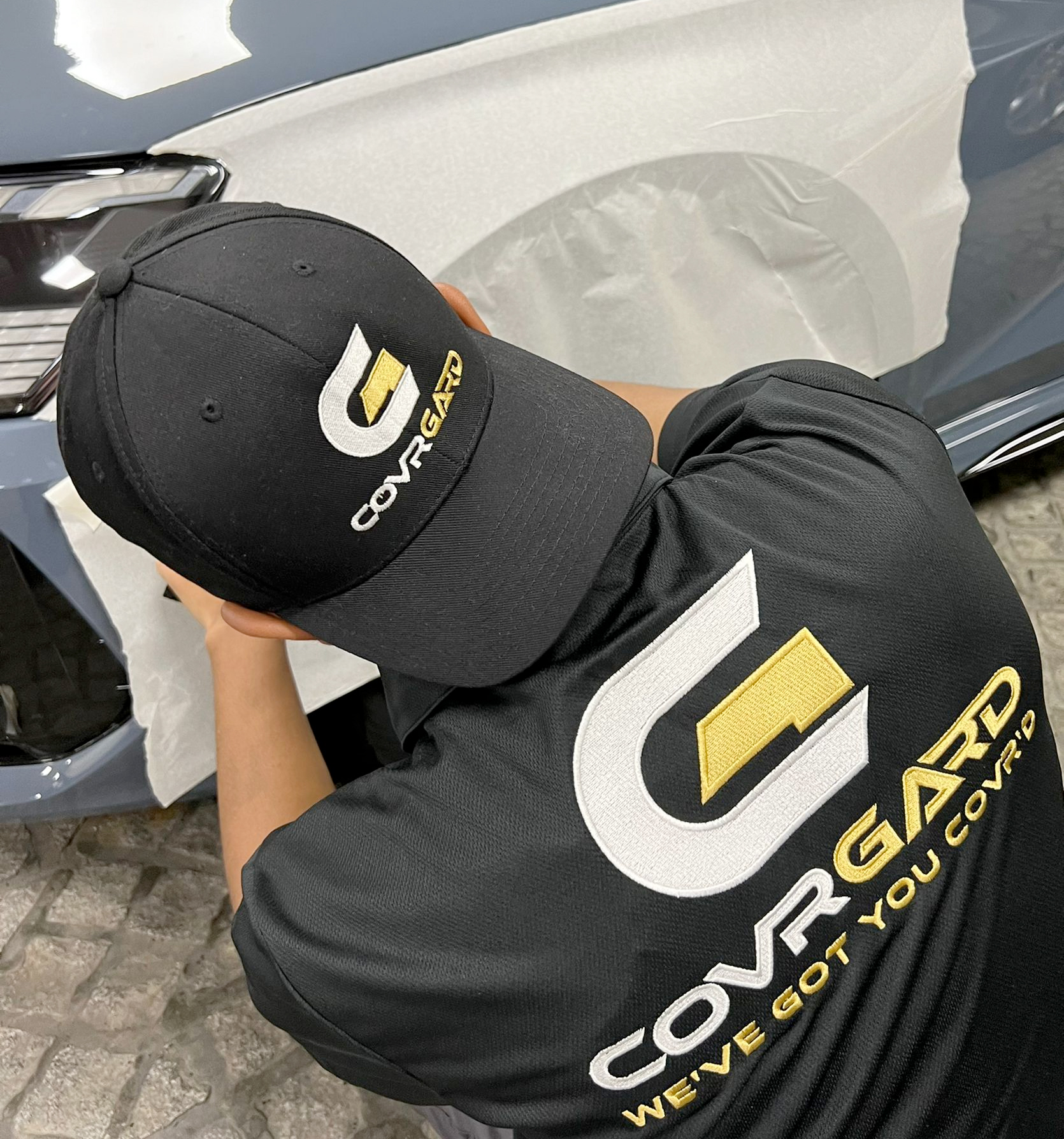
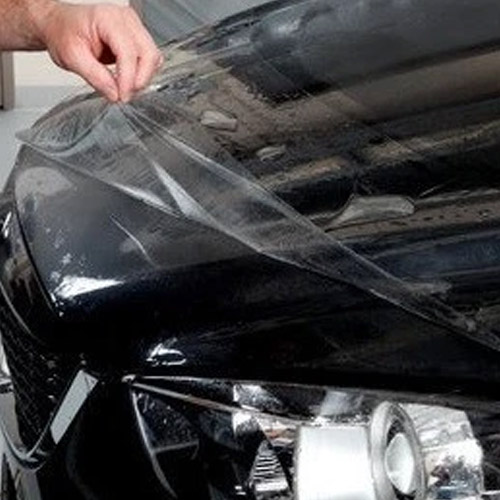
correctly applying covrgard car paint protection film

PPF is the same as vinyl wrap

The misconception:
Some car owners believe PPF is just another type of vinyl wrap, offering little more than a cosmetic cover.

The truth:
While PPF and vinyl wraps may look similar at first glance, they are engineered for completely different purposes.

  • Vinyl wrap is thin, cosmetic, and primarily used for colour changes, decals, or finishes (matte, gloss, satin). It offers little to no real protection against impact damage.
  • Folie ochronne, on the other hand, is a multi-layered polyurethane film that is much thicker – typically 6-10 mils compared to vinyl’s 2-4 mils. It is designed to absorb impacts, resist scratches, and even heal itself under heat.

If you want to change your car’s colour, vinyl is the right product. If you want to protect your factory paint from stone chips, scratches, and road debris, PPF is the only option.

PPF will damage my paint

The misconception:
People worry that installing PPF will cause paint to peel, bubble, or become damaged when the film is removed.

The truth:
Modern PPF is designed to be completely safe for factory paintwork. A professionally installed, high-quality film will bond securely without harming the paint. When it comes time to remove or replace the film, it can be safely peeled away, leaving the original finish intact.

Problems usually arise only when:

  • Low-quality film is used.
  • The film is installed incorrectly.
  • The vehicle has had poor-quality respray work that lacks proper adhesion.

If your vehicle has factory paint in good condition, high-quality PPF will not damage it – in fact, it helps preserves it.

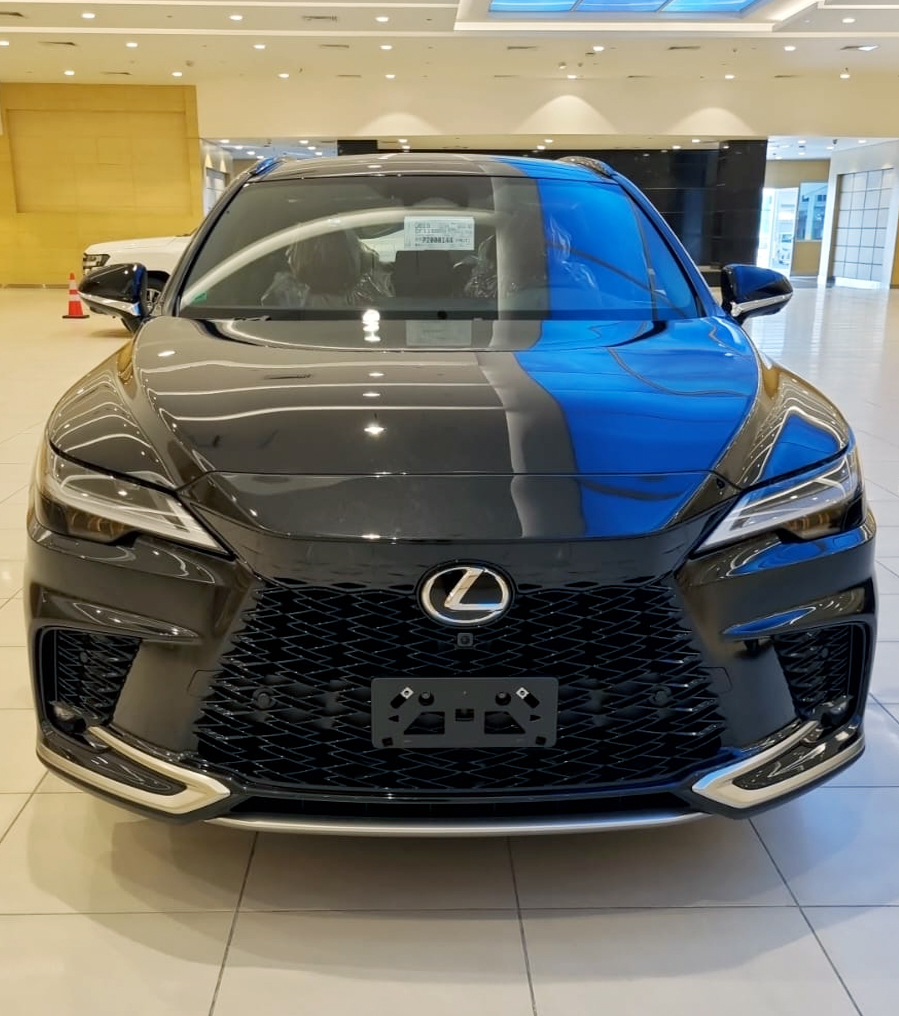
lexus ppf

PPF turns yellow over time

The misconception:
Older stories suggest that PPF inevitably yellows after a few years, making cars look worse rather than better.

The truth:
This was true of first-generation films produced decades ago, which were prone to yellowing due to UV exposure and material breakdown. Most of today’s high quality  films, from reputable brands like CovrGard products, are infused with advanced UV inhibitors and topcoats that prevent yellowing.

High-quality PPF remains optically clear, whether in gloss or matte finish. If a film does yellow, it’s usually because of:

  • A very old or cheap film.
  • Poor maintenance, such as letting contaminants sit on the surface for years.
  • Lack of a UV-resistant topcoat.

Investing in premium PPF and regular cleaning will ensure your film stays crystal clear.

It’s too obvious – I’ll be able to see the film

The misconception:
Some drivers avoid PPF because they assume it will be visibly noticeable, creating unsightly lines or changing the look of their car.

The truth:
When installed professionally, modern PPF is virtually invisible. Precision-cut templates and skilled fitting techniques ensure edges align perfectly with panels. The film itself is optically clear, enhancing rather than hiding the paintwork beneath.

The only time PPF is obvious is if:

  • A poor-quality film is used.
  • The installation is rushed, leaving bubbles, stretch marks, or misaligned edges.
  • The film is dirty or hasn’t been maintained properly.

CovrGard customers find that friends and family can’t even tell the film is there until they’re told.”If you look for it you will find it – if you don’t know it’s there you will never see it” is the mantra that CovrGard PPF installers have used for years

PPF is only for expensive luxury cars

The misconception: Because many promotional images feature exotic sports cars, some believe PPF is only worth it for Ferraris, Lamborghinis, or six-figure investments. The truth: Paint protection is valuable for any vehicle, from a daily-driven hatchback to a luxury SUV. If you care about your car’s appearance and resale value, PPF makes sense. Consider these examples:
  • Family SUV: PPF protects against scratches from kids’ bikes, supermarket trolleys, and road debris.
  • Commuter car: Long motorway drives mean stone chips and bug splatter – PPF absorbs the impact.
  • Classic car: PPF safeguards rare paintwork from the wear and tear of shows and weekend drives.
Yes, exotic car owners love PPF, but so do people who simply want to preserve their paintwork and add resale value to their vehicle.

PPF is too expensive to be worth it

The misconception:
Some people dismiss PPF as a luxury purchase with little real-world return on investment.

The truth:
While PPF requires upfront investment, it can save you significant costs in the long run. Consider:

  • Paint repair costs: A single respray of a front bumper or bonnet can cost more than a partial PPF installation.
  • Resale value: Cars with pristine factory paint command higher prices on the used market.
  • Peace of mind: Avoiding stone chips, scratches, and swirls means less money spent on paint correction or detailing.

Think of PPF like insurance: you hope you won’t need it, but when the inevitable stone chip flies up at 70mph, you’ll be glad it’s there.

Ceramic coating is better than PPF

The misconception:
Because ceramic coatings are widely marketed, some believe they are a superior alternative to PPF.

The truth:
Ceramic coatings and PPF serve different purposes, and one doesn’t replace the other.

Ceramic coatings provide hydrophobic properties, UV resistance, and enhanced gloss. They make cleaning easier and reduce staining. However, they don’t stop stone chips or absorb impacts.

PPF provides physical protection against chips, scratches, and abrasions. Some modern PPFs also include hydrophobic topcoats similar to ceramics.

The best option is often a combination of both: PPF for impact protection and a ceramic coating on top for easy maintenance and added shine.

PPF is maintenance-free

The misconception:
Some people assume that once PPF is applied, you never need to clean or maintain it.

The truth:
While PPF reduces the risk of damage, it still requires basic care to stay looking its best.

Maintenance tips include:

  • Regular washing with pH-neutral shampoo.
  • Avoiding harsh chemicals or abrasive tools.
  • Periodically applying PPF-safe detailing sprays for added slickness.
  • Inspecting film edges for contaminants.

Think of PPF as a protective shield – it takes the hits for your paint, but it still benefits from a good maintenance regime.

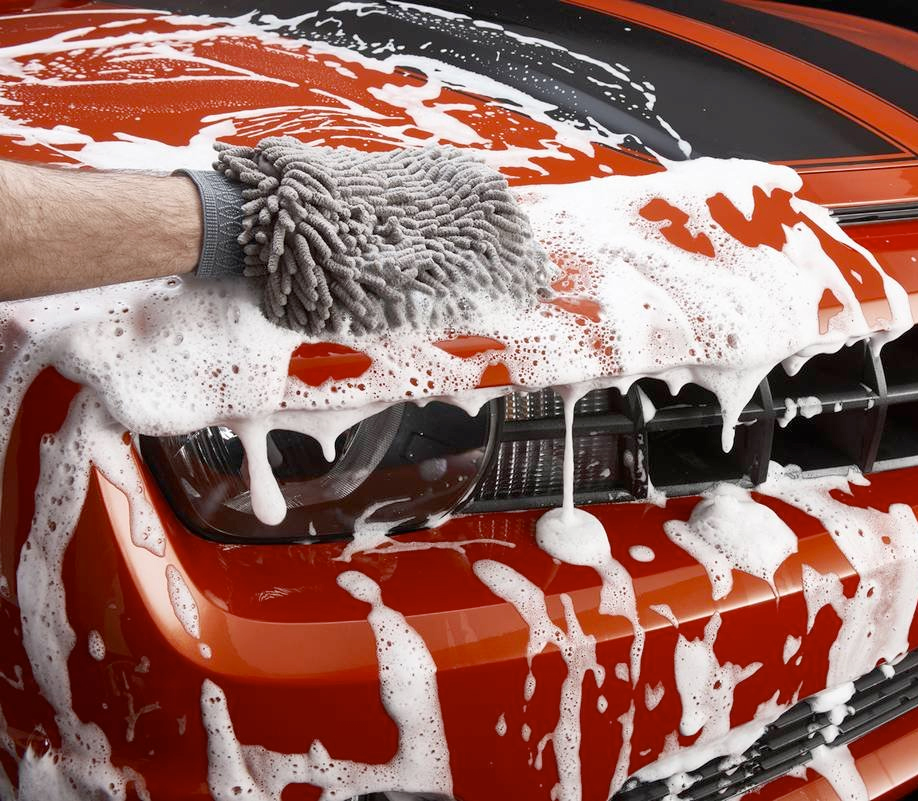
covrgard care and maintence

DIY kits are just as good as professional installation

The misconception:
Because some companies sell DIY PPF kits online, many assume they’re easy to apply at home with the same results.

The truth:
Installing PPF is a specialist skill. Professionals use:

  • Precision plotters and templates designed for each vehicle.
  • Controlled environments to prevent dust contamination.
  • Years of experience in stretching, aligning, and tucking edges seamlessly.

DIY kits often lead to bubbles, misalignment, or peeling edges. Not only does this look bad, but it can also shorten the lifespan of the film. For best results – and warranty protection – always choose professional installation.

PPF lasts forever

The misconception:
Some car owners think PPF is a one-time investment that never needs replacing.

The truth:
Like any product, PPF has a lifespan. High-quality films typically last 5–10 years, depending on conditions, care, and exposure. After this period, the film can be safely removed and replaced.

The good news is that during its lifespan, PPF absorbs most of the wear and tear that would otherwise affect your paint.

correctly applying covrgard car paint protection film

PPF makes car paint look dull

The misconception:
People worry that applying a film will reduce the gloss and shine of their paintwork.

The truth:
Modern PPF is optically clear and actually enhances the look of paint. Gloss PPF adds depth and shine, while matte PPF can create a sleek, urban finish that transforms the car’s appearance. Far from dulling your paint, it makes it look better while protecting it.

You only need PPF on the front of the car

The misconception:
Because the front of the vehicle takes the most direct impact from road debris, some assume that’s the only place worth protecting.

The truth:
While the front end is the most common coverage area, many other parts of the car are vulnerable too:

  • Door edges and handles (protection against chips from rings, nails, and other doors).
  • Boot ledges (protection against luggage scuffs).
  • Side skirts and rear wheel arches (protection from road spray and debris from the front wheels).

PPF can be customised to suit your driving habits. Full-body coverage offers maximum protection, but even partial coverage beyond the front end can make a big difference.

All PPF brands are the same

The misconception:
Some assume all Paint Protection Films are identical, so brand choice doesn’t matter.

The truth:
PPF varies widely in quality, performance, and warranty. Key differences include:

  • Topcoat technology: Hydrophobic, self-healing, or anti-yellowing features.
  • Thickness and clarity: Thicker films absorb more impact but must remain optically clear.
  • Warranty length: Premium brands like CovrGard offer long-term warranties against defects.

Choosing the right film ensures you get maximum protection, clarity, and durability.

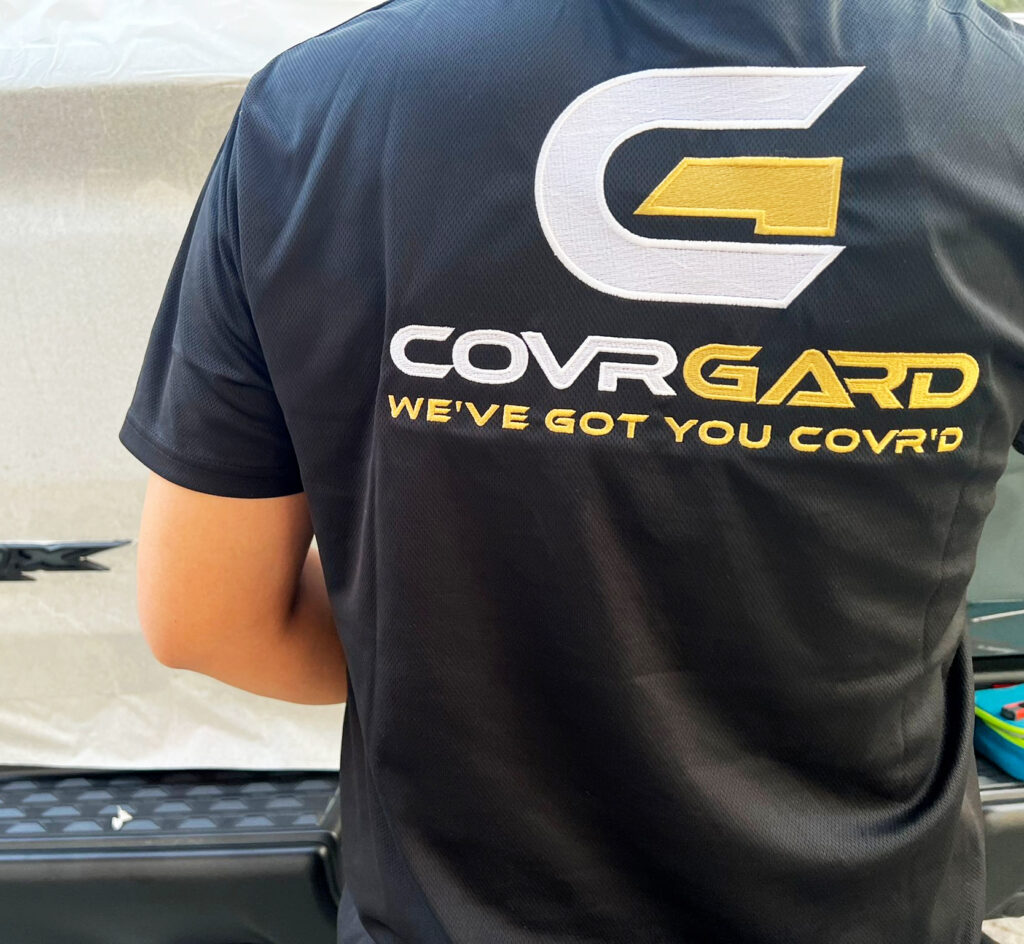
covrgard fitter rear view

The bottom line? Don’t let myths stop you protecting your paint

Paint Protection Film has come a long way since its early days and CovrGard’s management team have evolved with the new trends ensuring today’s films are more advanced, optically clear, and proven to preserve the look and value of vehicles across all segments.

Yes, there are myths, but most of them are based on outdated products or poor installations, not the reality of modern PPF.

At CovrGard, we believe in giving drivers the facts so they can make the best decision for their vehicles. Whether you’re protecting a brand-new daily driver or preserving a classic weekend toy, PPF is one of the smartest investments you can make in your car’s long-term condition.

Key Takeaways

  • PPF is not the same as vinyl wrap – it’s designed for protection, not cosmetics.
  • Modern films won’t yellow, dull, or damage your paint when installed correctly.
  • PPF is valuable for all types of vehicles, not just supercars.
  • It complements ceramic coatings rather than replacing them.
  • Professional installation is essential for long-lasting, invisible results.
  • PPF requires some maintenance and will eventually need replacing, but the protection it offers is unmatched.


PRZECZYTAJ WIĘCEJ SPOSTRZEŻEŃ OD COVRGARD...

Media społecznościowe

pl_PLPolish