Wiadomości i spostrzeżeniaMPF VS PPF: WHAT’S THE DIFFERENCE?

MPF vs PPF: what’s the difference?

Folia ochronna lakieru is most commonly associated with automotive applications, but films are now being developed for other types of uses too.

CovrGard AQUA is designed specifically for marine applications, giving yacht, boat and marine craft owners another option for protecting vulnerable surfaces. But if the basic principle is the same, what’s different about marine protection film and traditional automotive paint protection film?

The short answer is that both provide a protective film layer, but they’re designed around very different environments.

What do automotive and marine films have in common?

Both types of film are designed to provide a physical protective layer over a finished surface. For car owners, that might mean helping protect paintwork from stone chips, road debris, scratches and everyday wear.

For yachts and boats, the focus shifts towards the conditions a boat or yacht encounters on the water, including saltwater, UV exposure, abrasion and contact during docking and mooring.

In both cases, the aim is the same: help protect the underlying finish from everyday damage.


Audi RS5 on the road

Different environments require a different approach

It may seem like we’re stating the obvious, but a car spends its time dealing with roads, traffic and changing weather conditions. The front of a vehicle is exposed to chips from stones and other road debris at speed. Door edges can be marked in car parks, while bodywork can encounter dirt and grit, especially around the sills. The whole exterior is exposed to rain, sunlight and general contamination.

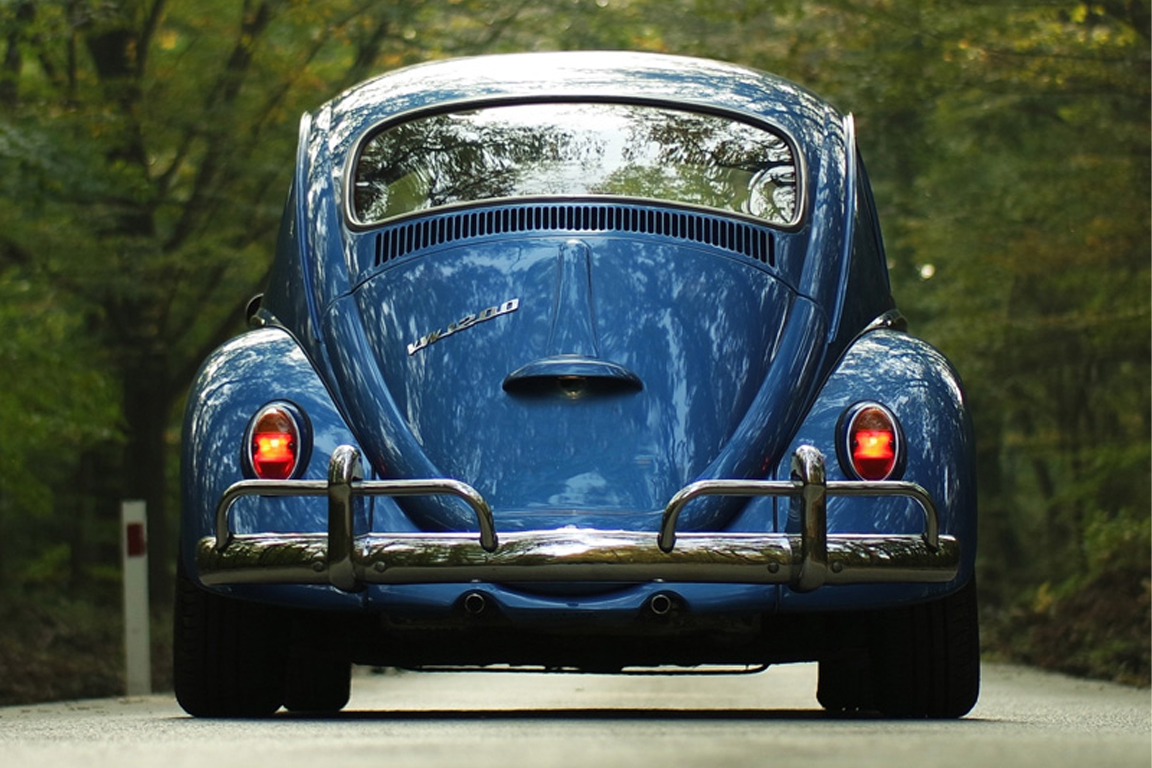
Automotive PPF has therefore evolved around the specific demands of road vehicles. Different areas of a car can also have very different protection requirements, which is why PPF installations can be targeted towards particular panels or high-risk areas.

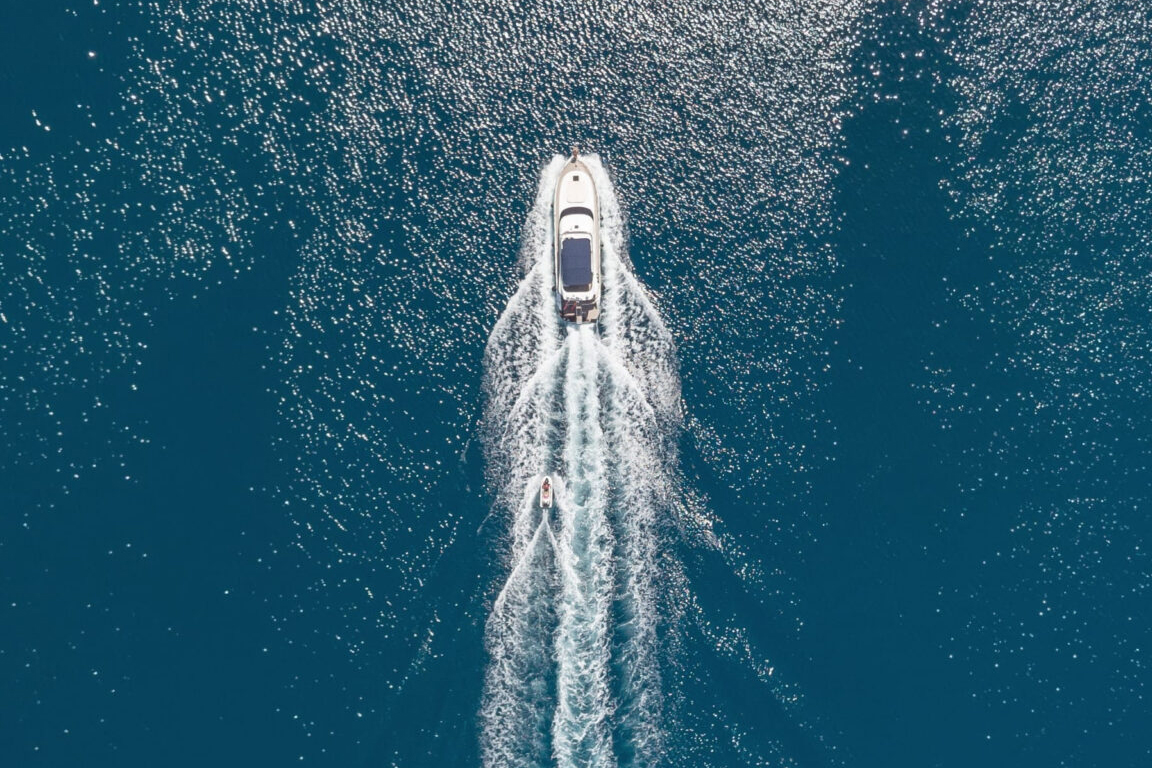
A yacht or boat navigates a very different environment, with constant exposure to water, spray, salt, sunlight and marine debris. There’s also frequent physical contact when entering a marina, coming alongside another vessel or being secured at a berth. Fenders, ropes, equipment and general handling can all create areas of increased wear.

This means protection needs to be considered in the context of the marine environment rather than simply transferring an automotive product onto a boat.

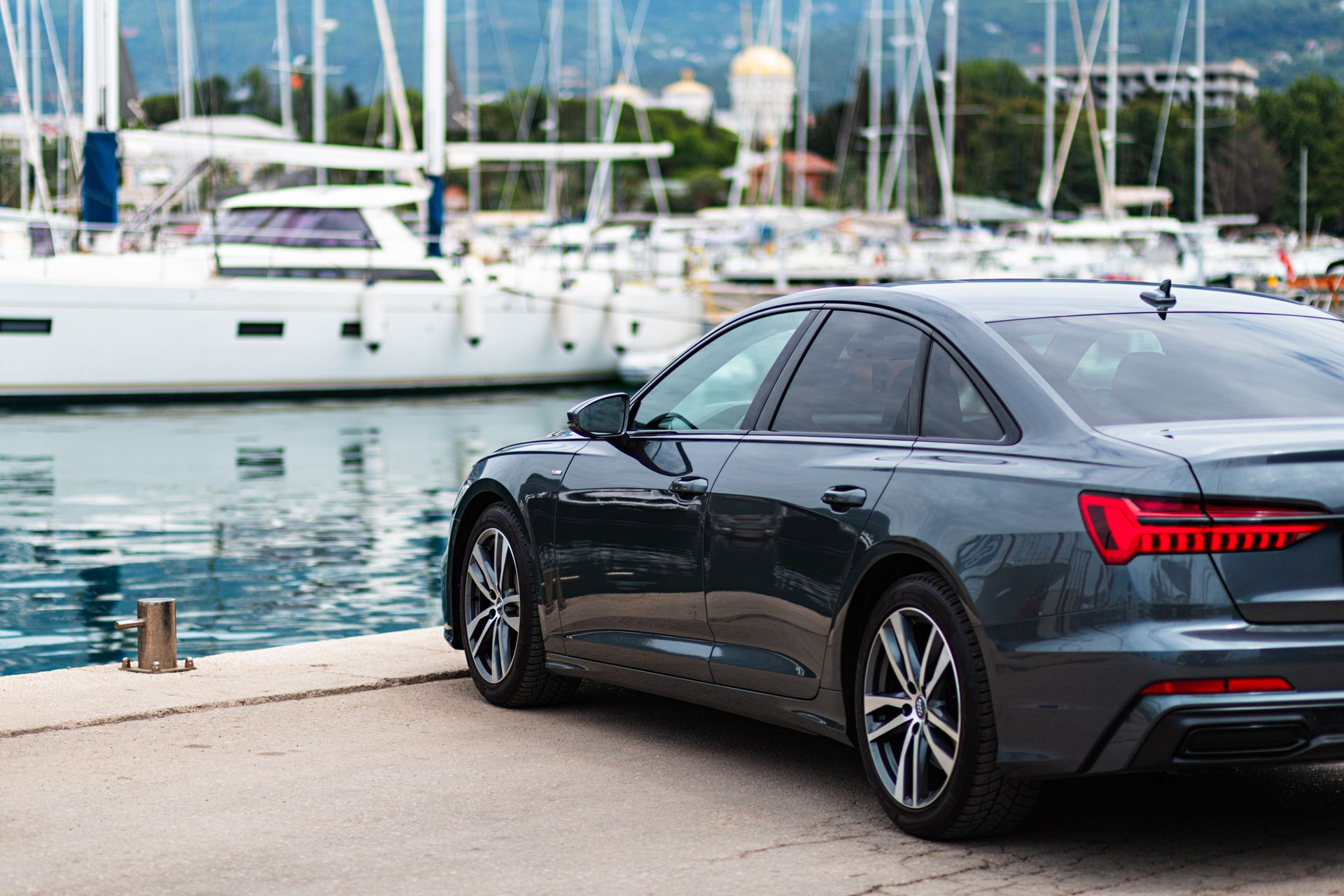
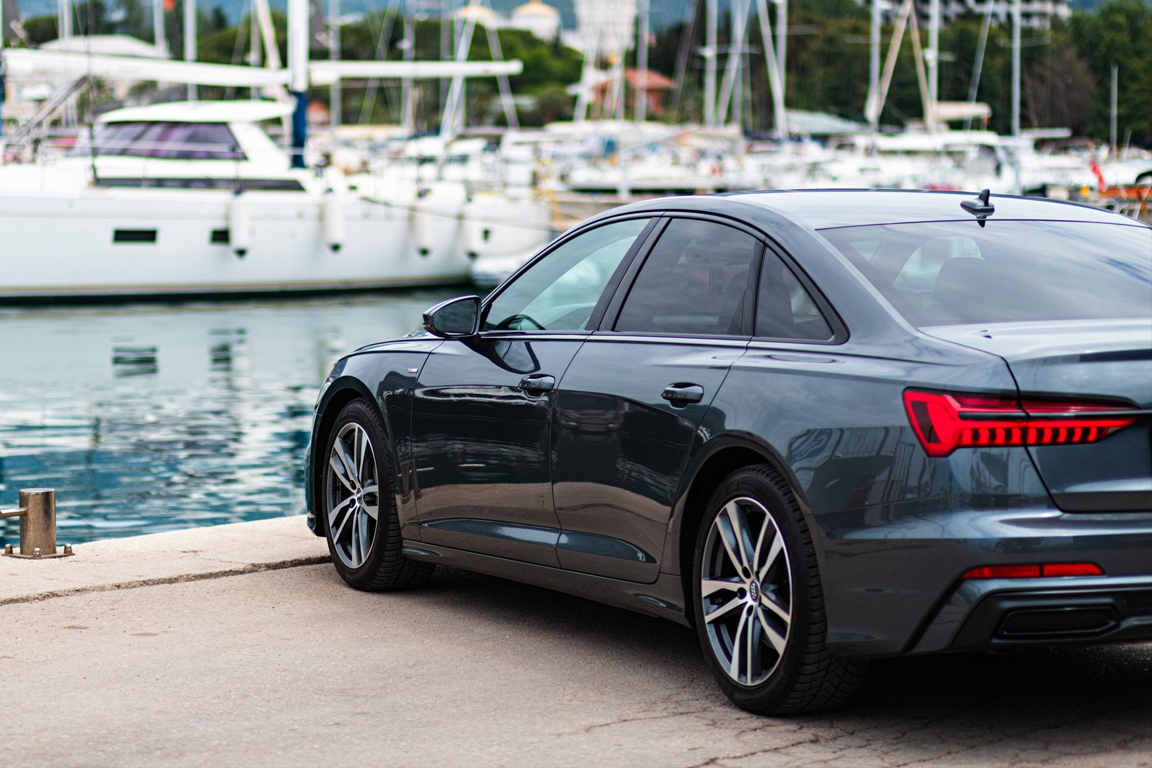
car parked on a harbour wall with yachts in the background

Why saltwater poses the biggest challenge for MPF

Marine vessels are repeatedly exposed to saltwater and spray, making the choice of materials and their suitability for the application particularly important. A marine protection film needs to be designed with that environment in mind.

This is one reason why specialist marine protection products have a role to play. Just because a film works well on a car doesn’t automatically mean it’s the best choice for a yacht.


UV exposure is another consideration

Both cars and boats are exposed to sunlight, but the exposure experienced by marine vessels can be particularly significant. Yachts may spend long periods in open, exposed environments, with little or no shade.

UV exposure can contribute to changes in the appearance of exterior surfaces over time, which is another reason why protecting the original finish can be important to marine owners and operators.

The right protection system should therefore be considered as part of a wider approach to maintaining the appearance of the vessel.


prepare for summer sun with covrgard ppf

DOCKING CREATES DIFFERENT RISKS

One of the biggest practical differences between automotive and marine protection films is the type of physical contact involved.

A car may be hit a stone at speed or pick up road debris, but – hopefully – vehicle-to-vehicle contact is very rare. A yacht is much more likely to come into contact with a fender, pontoon, rope or equipment while docking or manoeuvring.

Marine PPF can be used to provide additional protection to suitable high-contact areas, helping owners take a preventative approach to the damage associated with everyday use.

Can automotive PPF be used on a boat?

A product designed and tested for automotive use shouldn’t be considered to be suitable for a marine environment.

The conditions are different, the surfaces can be different and the exposure to water, salt and sunlight can be much greater.

For yacht and boat owners, using a protection film designed specifically for marine applications means knowing that the product is intended for the environment in which it’s used.


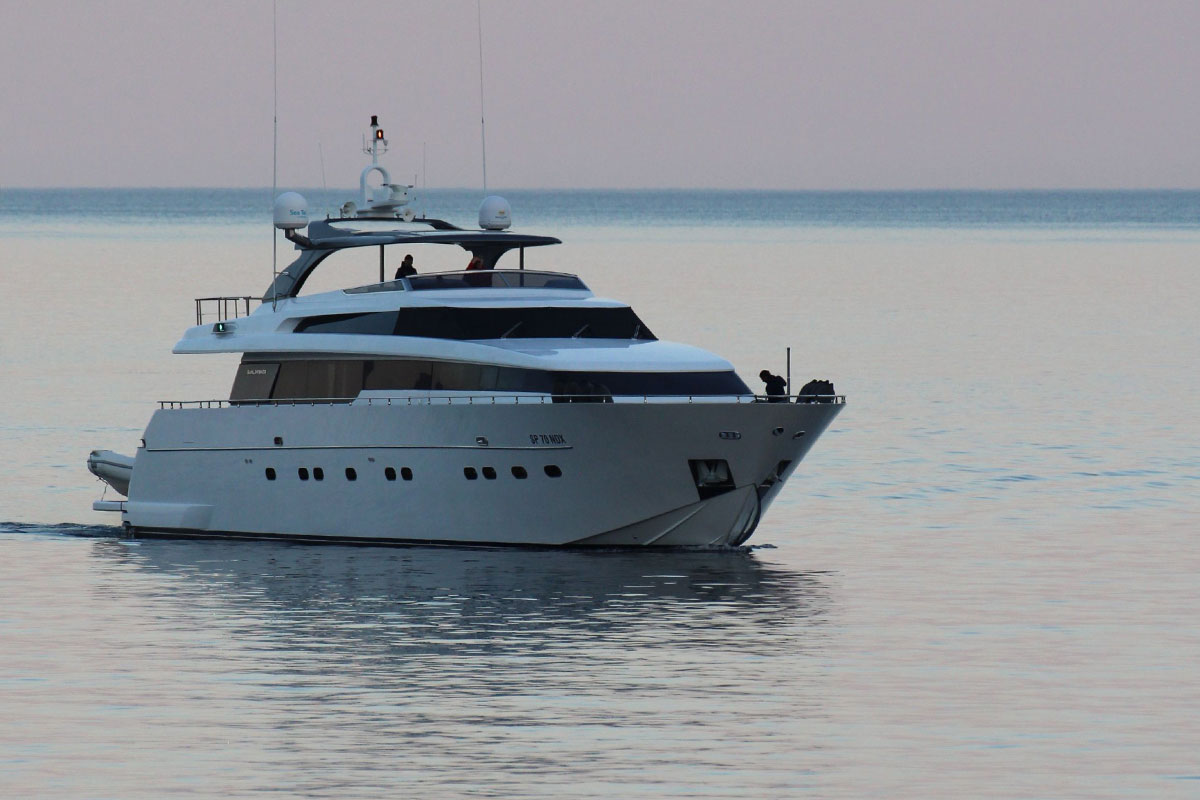
yacht pulling into harbour

Does MPF look different to PPF?

Marine protection films like our own AQUA range are designed to provide discreet protection while allowing the finish beneath it to remain visible. As with our automotive PPF, the quality of the installation is an important part of the process.

Surface preparation, pattern design, application and finishing all contribute to how the film looks once installed. This is especially important on yachts, where high-quality finishes and attention to detail are often a significant part of the vessel’s appeal.


Same principles, different environments

Marine and automotive protection films share the same fundamental purpose: protecting a valuable surface from everyday wear and damage.

For owners looking to protect their investment, the key isn’t simply choosing a product. It’s choosing a film designed for the marine environment in which it will be used.


PRZECZYTAJ WIĘCEJ SPOSTRZEŻEŃ OD COVRGARD...

Media społecznościowe

pl_PLPolish