

HomeNieuws en inzichtenAutumn & Winter Car Care: Why CovrGard PPF is essential for the seasons ahead
Autumn & Winter car care: Why CovrGard PPF is essential for the seasons ahead
Even as we’re all enjoying the summer, those open-road drives and sunny weekends will soon be replaced by falling leaves, road salt, freezing rain and early-morning frosts. Though these seasons can have their own charm, they present some of the harshest conditions for your vehicle’s paintwork.
Mud, grit, acidic leaf matter, de-icing chemicals and prolonged moisture exposure can all take a toll, leading to corrosion, staining, scratches – and reduced resale value.
If you want to protect your car or motorcycle through the cold months ahead, CovrGard’s range of Paint Protection Films (PPF) offers a high-performance solution that keeps your vehicle looking its best, no matter what the weather throws at it.

Why Autumn and Winter are tough on your paintwork
When temperatures drop and weather patterns change, so do the threats to your vehicle. Here’s what your paintwork is up against:1: Road salt and grit
In colder months, roads are frequently treated with salt and grit to prevent ice buildup. While necessary for safety, these substances are corrosive, especially when they accumulate around wheel arches, bumpers, and lower panels.2: Acidic leaf debris
Fallen leaves might look harmless, but as they decompose on your paintwork, they release tannins and other organic acids that can etch into clear coat layers, leaving behind stains and surface damage.3: Increased moisture and UV fluctuations
Water from rain and snow combined with cold nights and bright winter days can create thermal stress. Paint contracts and expands, leading to microcracking, especially if your surface is unprotected.4: Road grime and tar
Wet roads stir up oil, rubber, and chemical runoff, which can bond to your vehicle’s exterior. Without a barrier in place, this grime quickly becomes difficult to remove and may damage the finish underneath.
The case for CovrGard Paint Protection Film
Paint Protection Film (PPF) acts like an invisible suit of armour for your vehicle, without changing its appearance. At CovrGard, we’ve engineered our films to offer industry-leading durability, optical clarityen self-healing technology that’s ideal for daily drivers, high-end sports cars, motorcycles, and everything in between. Here’s what makes CovrGard PPF the smart choice for the seasons ahead:Self-healing surface
Minor scratches and swirl marks caused by road grit and use of de-icing tools can disappear with exposure to mild heat (like the sun or warm water), keeping your paint looking freshly detailed.Hydrophobic protection
Our film naturally repels water, which means less build-up of road grime, slush, and contaminants. Water beads off easily, making maintenance simpler and helping to prevent rust in problem areas.Stain and chemical resistance
Whether it’s road salt, bug splatter or leaf residue, CovrGard PPF resists staining and chemical damage – especially useful when regular washing becomes less frequent in colder months.Preserves OEM paint
By forming a barrier between your vehicle’s clear coat and the elements, our film helps preserve factory paintwork. That not only maintains appearance – it can also enhance resale value.When should you apply PPF?
If your vehicle isn’t already protected with paint protection film, late summer and early autumn is the perfect time to act. Applying film before the worst weather arrives ensures your paint is shielded in advance, saving you time, money and stress when conditions get rough.
Whether you’re a detailing enthusiast or a daily commuter, PPF is a smart long-term investment that pays for itself in paint correction savings and resale value.

What makes CovrGard the right choice?
If you’re considering PPF, you may be weighing up installers, film types, or whether it’s worth doing at all. Here’s how CovrGard stands out:
Global expertise
We’re specialists in protective films that handle all types of unpredictable weather and road conditions. Our materials are designed with to deal with whatever your local climate throws at you.
Installer network
CovrGard is trusted by a growing network of trained professionals. If you need help finding a certified installer near you, get in touch with us and we’ll point you in the right direction.
Aftercare ecosystem
Our film isn’t just a one-and-done service. With CovrGard Aftercare products, you can keep your PPF and the rest of your vehicle in peak condition with solutions that are specifically formulated to work together.
Real-world road tested
We work with professionals across the automotive and detailing industries who road-test our products in real conditions, from city driving to rural backroads.
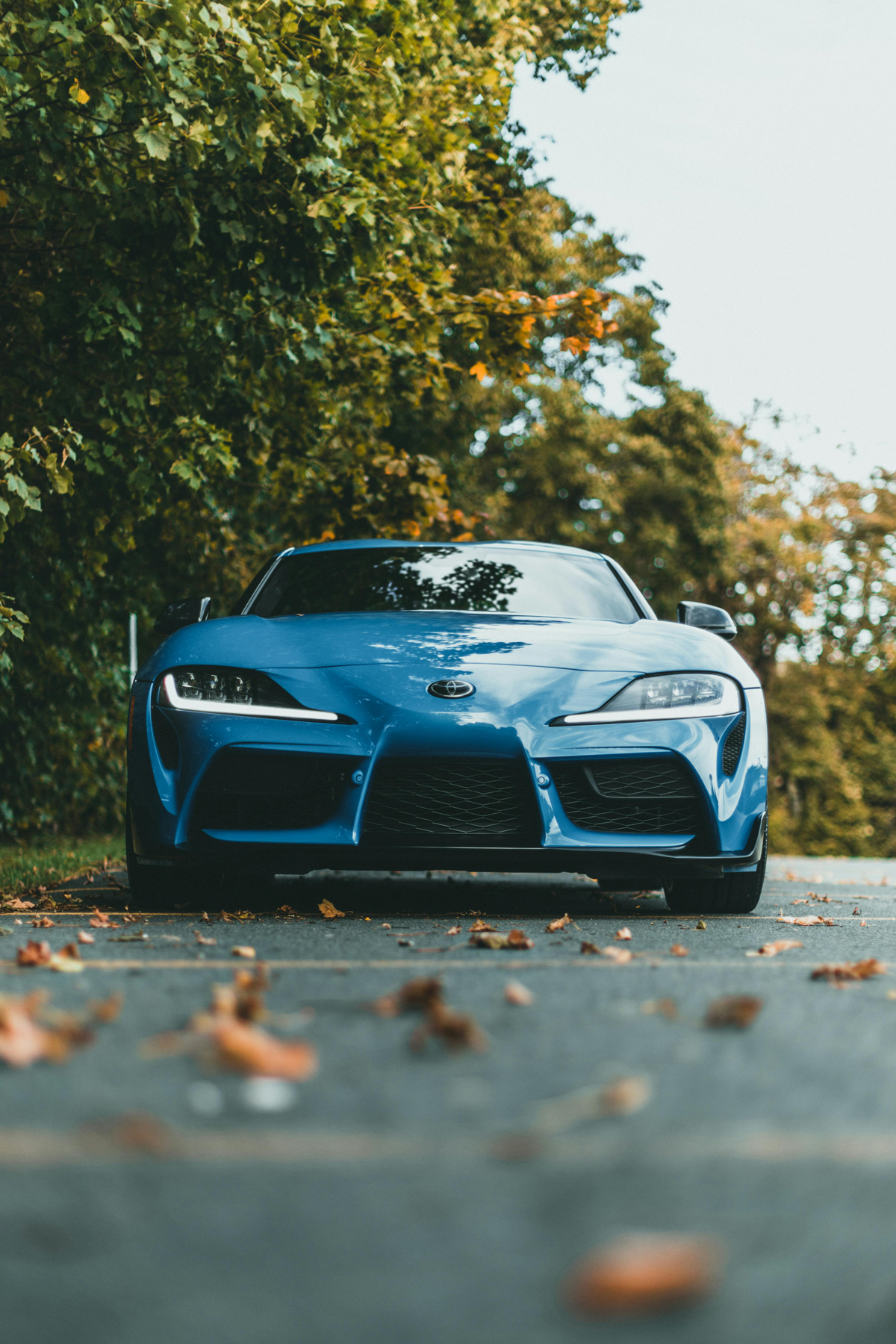
CovrGard PPF: Engineered for every season
Met CovrGard Paint Protection Film and our dedicated range of aftercare products, you can protect your vehicle against the elements while keeping it looking showroom-ready.
No gimmicks. Just trusted, high-performance protection, whatever the weather.
Explore our full range of car paint protection films and aftercare today or speak to your local installer about getting Covr’d before autumn arrives.



 Dutch
Dutch  English
  Polish
  French
  Swedish
  German
  Hindi
Hindi