Inside CovrGardPROTECTING YOUR CLASSIC CAR WITH PPF

Protecting your classic: PPF for restored and heritage cars

Can you put PPF on a classic car? The short answer is ‘yes’… but not the same way you would on a modern car.

Paint protection film works on classic and heritage vehicles when the right film is chosen, the paint is properly checked beforehand, and the installer knows what they are dealing with. Get those three things right and PPF gives you a removable, optically clear protective layer that should leave the paint completely unaffected when it eventually comes off.

Why classic car paint needs a different approach

Modern cars have a layered paint system: primer, base coat, and a clear lacquer on top. That top lacquer is what PPF bonds to on a contemporary vehicle. It’s chemically stable, reasonably hard, and designed to accept coatings and films.

Most classic and heritage vehicles don’t have that. Cars finished before the mid-1980s were typically painted in single-stage enamel or nitrocellulose lacquer: a pigmented topcoat with no separate clear coat over it. These finishes are softer, more porous, and more chemically reactive. They’re also thinner – where a modern paint system might measure 120-180 microns in total depth, original classic paint can be much shallower, and it has less tolerance for the adhesive stress which comes with film removal.

The key thing here is understanding what paint system is on the car. That determines the film specification, adhesive choice – and whether PPF is appropriate at all.


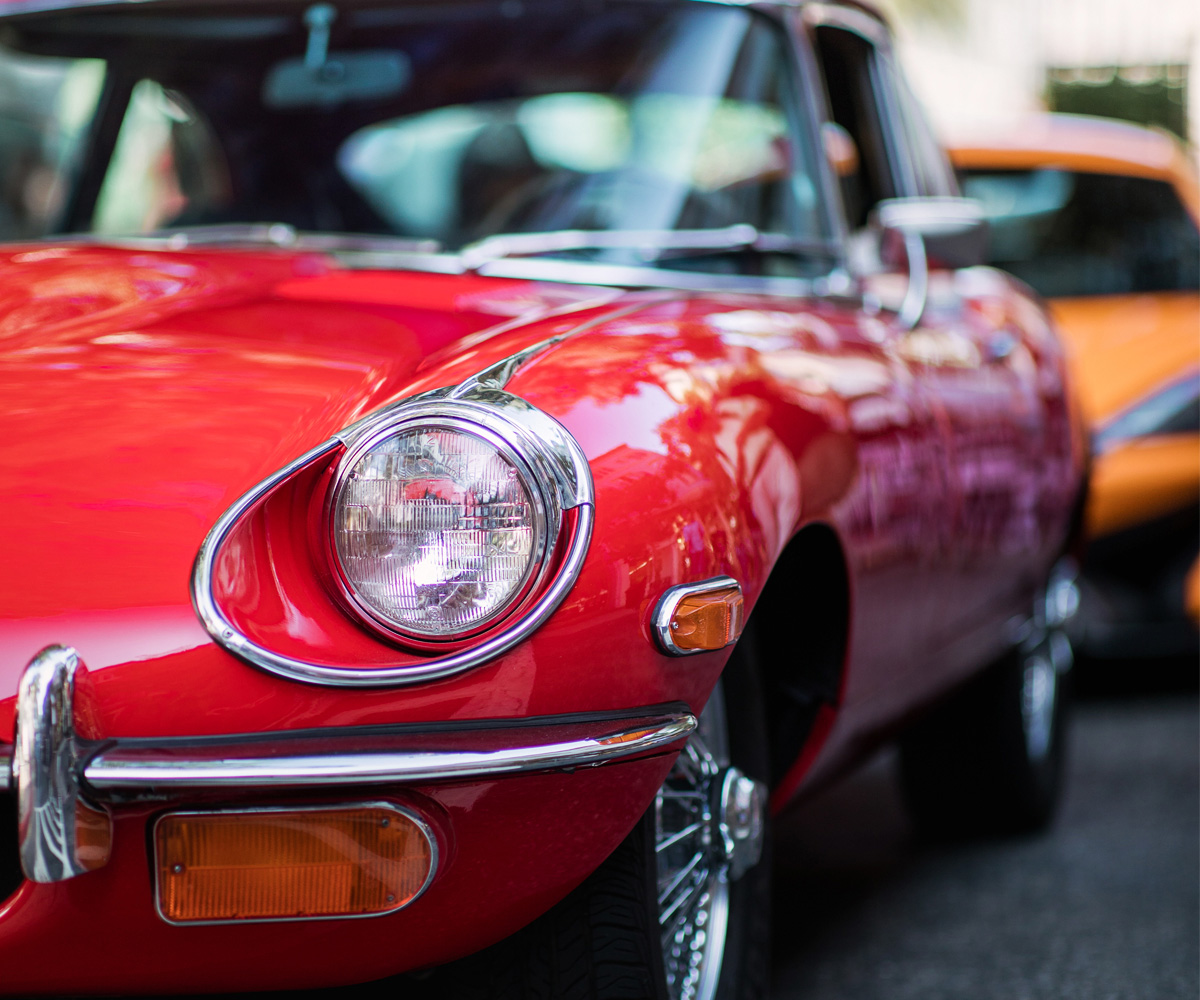
classic red citreon

Original paint versus restored paint

Original paint is the more difficult case. It tends to be thinner and more fragile than a restored finish, and may have aged unevenly across panels. It also has genuine value due to its provenance.

For investment-grade cars, protecting original paint is a financial consideration as well as an aesthetic one: verifiable original finishes can command a significant premium – both at auction and in private sale – when compared to cars that have been resprayed, however well that job has been done.

Full-body coverage is rarely appropriate. The priority is protecting the areas most exposed to physical damage while leaving less vulnerable panels alone. In some cases, PPF of any kind will not be appropriate at all.

Restored paint is a different story. If the restoration used modern two-pack urethane or waterborne paint, the surface behaves a lot like a contemporary finish, and standard PPF installation best practice applies. However, if your repaint used period-correct materials, such as nitrocellulose lacquer, the same advice applies as for original paint.

The age of the car is less important than the specification of the paint – and an installer who treats a 1970 restoration the same as a new SUV won’t be the right person for this job.

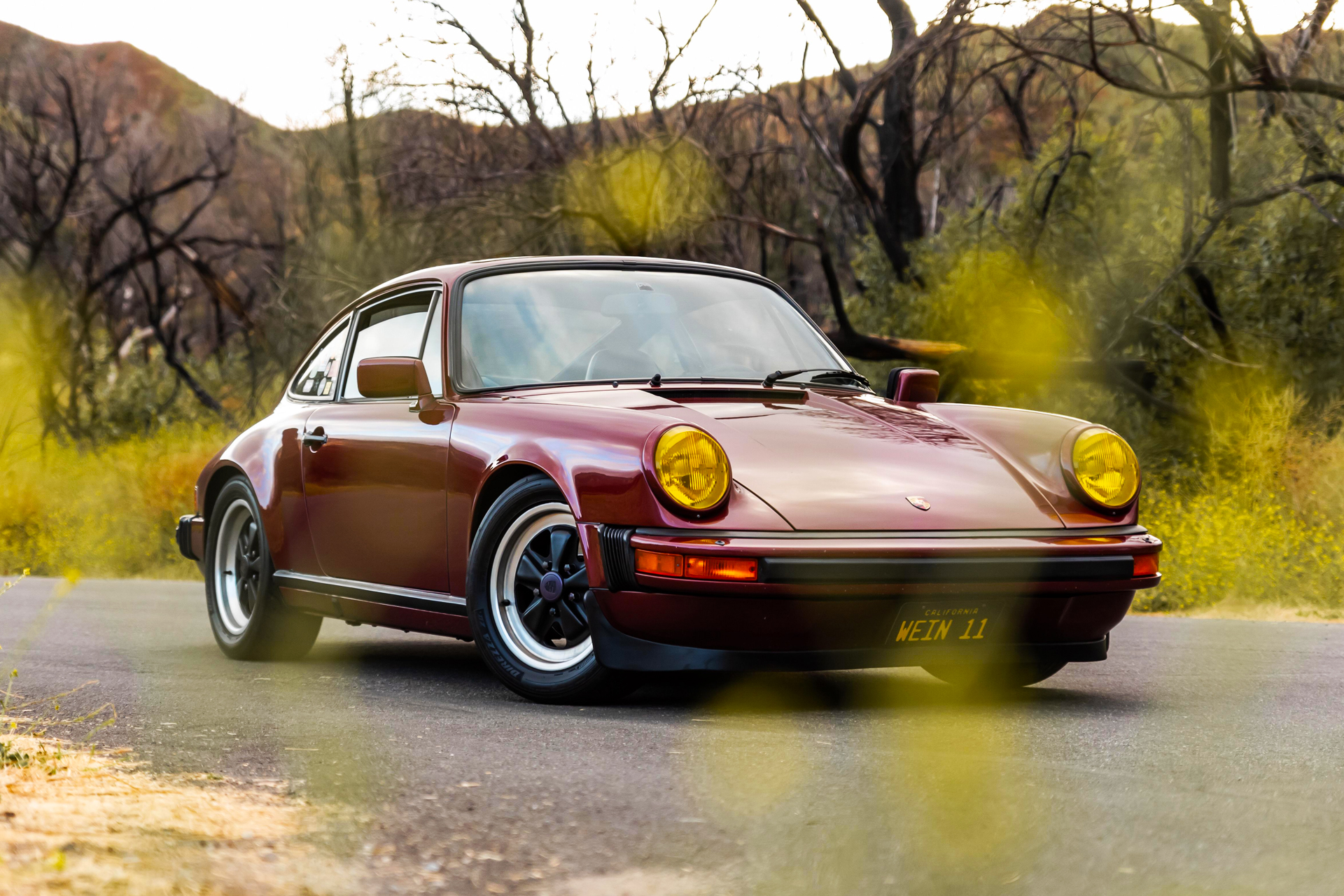
classic porsche 911 on the road

What needs to happen before any film is cut

Before any film goes on, a good installer has to do three things.

First, inspect the paint surface properly across every panel they plan to cover. They’re looking for delamination at edges and seams, micro-cracking or crazing in the topcoat, areas of active oxidation, and any previous repair work that may not have fully cured. Paint showing any of these signs is not ready for PPF. The film can’t stabilise failing paint, and it makes any subsequent restoration harder.

Second, prepare the surface. Existing contamination, minor scratches, and any wax or sealant residue needs to come off before the film goes on. PPF bonds to whatever is on the surface – if that includes a layer of silicone residue from older detailing products, adhesion will be uneven, and removal will be more difficult. On a classic, this preparation must be gentler than on a modern car.

Third, on any vehicle where the paint type is uncertain, apply a small test panel on an inconspicuous area and leave it for at least 48 hours before committing to the full job. This is the only reliable way to confirm that the adhesive behaves correctly on a specific paint system.


Adhesives, lifespan, and reversibility

The adhesive system matters more on a classic car than on any other vehicle type.

Modern PPF adhesives are formulated for contemporary urethane finishes – high adhesion, long-term stability, and clean removal from a chemically consistent surface. Not all of them behave the same way on older paint systems, particularly nitrocellulose lacquers, which can chemically react with some adhesives.

If it’s done within the film’s lifespan, removal should be simple: the film peels away, leaves no residue, and the paint beneath is in the same condition as when the film went on. After that period, the adhesive starts to degrade, and removal becomes more complicated.

For heritage vehicles, staying within that window is crucial.

CovrGard films use a pressure-sensitive adhesive system designed for stable bonding and clean removal within the product’s service life. The films are optically clear on application and do not yellow or haze under UV exposure, which is important for cars stored for extended periods under artificial or indirect light. For original or traditionally restored paintwork, CovrGard’s GLOS+ film is appropriate for gloss finishes; SATN for vehicles with a satin specification.


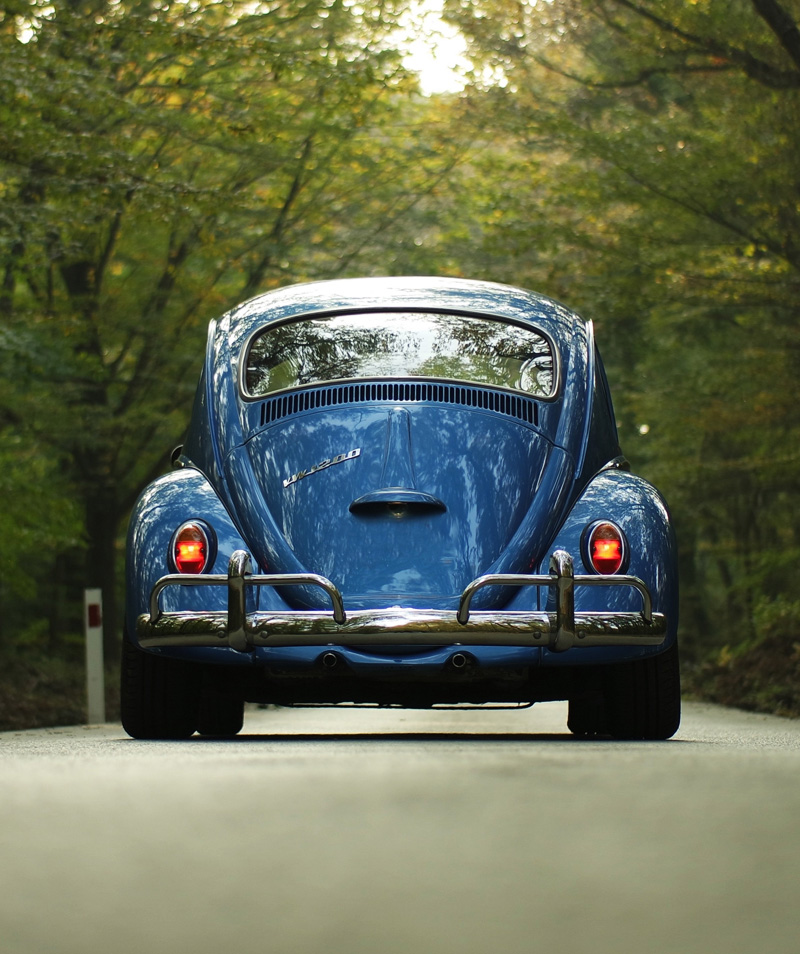
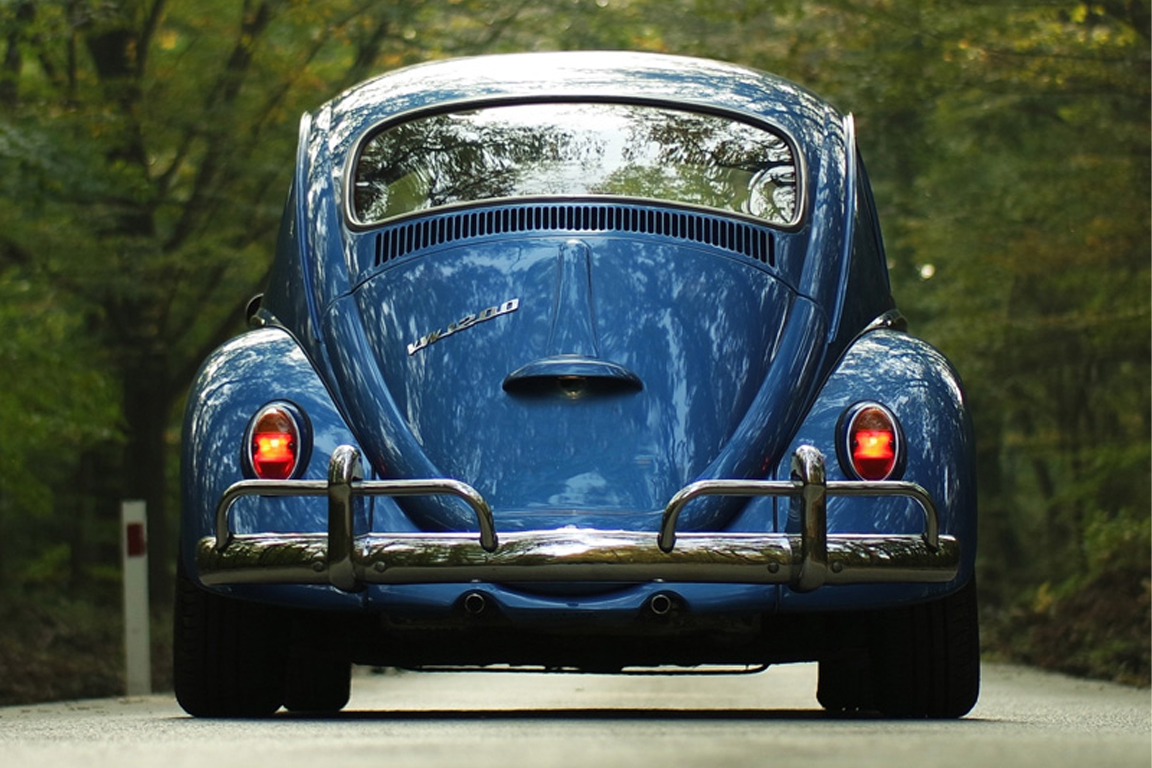
classic vw beetle

Where to apply it

Full-body coverage is unlikely to suit most heritage vehicles. The goal is to protect the surfaces most exposed to damage.

The areas that give the most return on a classic car are the bonnet leading edge and front valance (the highest stone chip exposure on any car), the front and rear wheel arches, the door edges, and the rear trailing edges.

For display-only or low-mileage vehicles, some of these zones may not need coverage. A car that only drives 500 miles a year in dry conditions will have less cumulative damage than one that tours the Lakes extensively every autumn. The scope of the job depends on how the car is actually used.

Does PPF affect originality or value?

No, not when it’s done correctly.

Authenticity in the classic car world comes down to originality and condition, as opposed to what protective measures have been used. A concourse judge or  prospective buyer isn’t going to penalise a car because it’s had PPF applied – provided the film isn’t visible and the paint beneath it is unaffected. Invisible protection is categorically different from a respray, a bodywork modification, or anything else that can’t be undone.

The only instance where PPF affects authenticity is if it’s poorly installed or has been applied to paint that wasn’t stable enough to accept it safely.

What it costs, and what the comparison is

PPF costs vary considerably depending on vehicle size, coverage scope, film grade, and installer experience. As a rough framework: targeted zone coverage on a classic (bonnet leading edge, valance, and wheel arches) typically falls between £500 and £1,200. Full front-end coverage runs £1,200 to £2,500. Full-body coverage, where appropriate, ranges from £3,000 upwards on complex-bodied cars.

For comparison, a colour-matched respray on a classic costs £600 to £1,500 per panel, depending on colour complexity and the restorer’s rates. A full respray of the quality required to maintain value sits at £10,000 to £30,000 or more, and even the best application won’t preserve the value or provenance of the original paint.


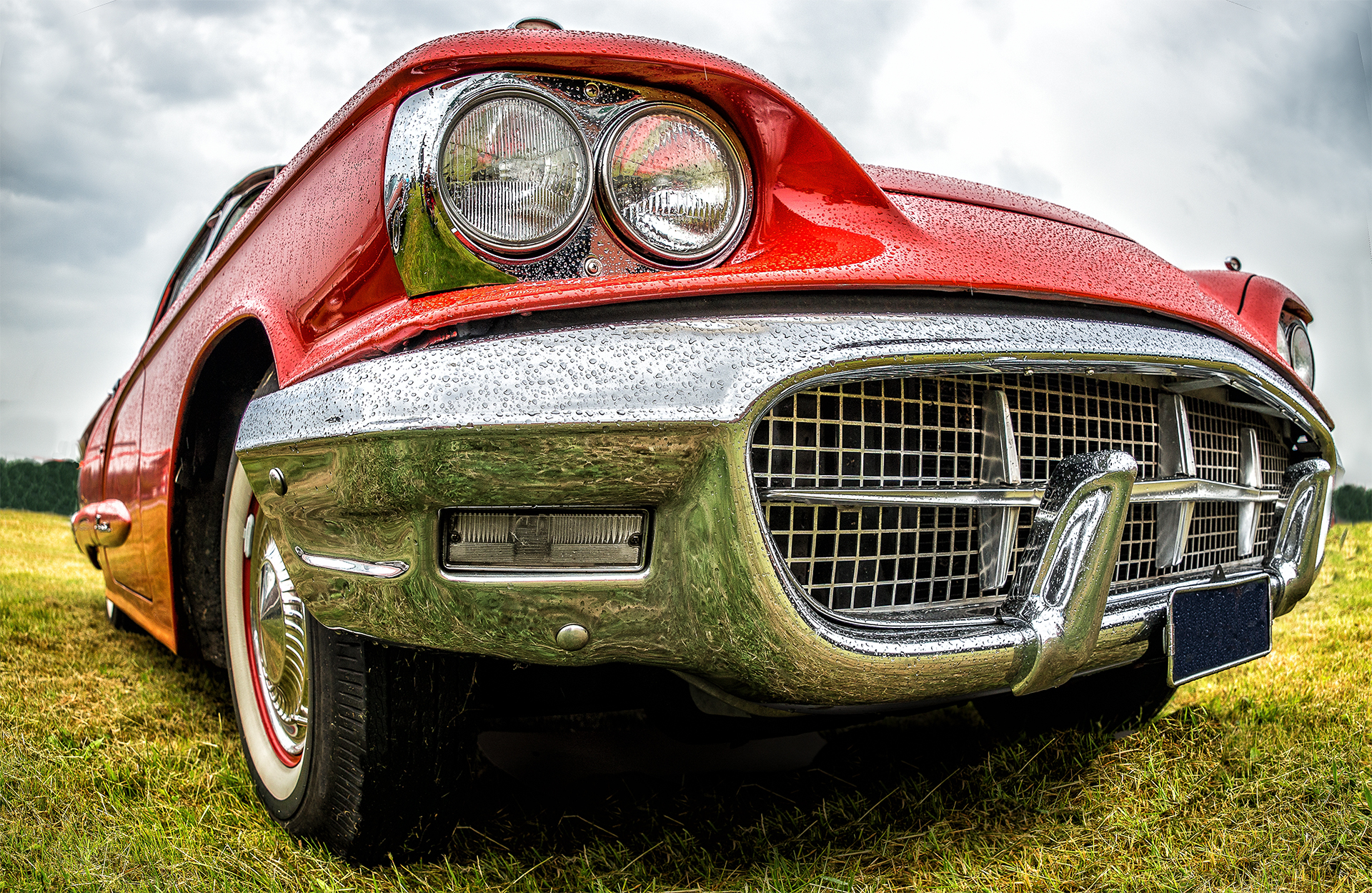
closeup of a classic american muscle car

What needs to happen before any film is cut

Before any film goes on, a good installer has to do three things.

First, inspect the paint surface properly across every panel they plan to cover. They’re looking for delamination at edges and seams, micro-cracking or crazing in the topcoat, areas of active oxidation, and any previous repair work that may not have fully cured. Paint showing any of these signs is not ready for PPF. The film can’t stabilise failing paint, and it makes any subsequent restoration harder.

Second, prepare the surface. Existing contamination, minor scratches, and any wax or sealant residue needs to come off before the film goes on. PPF bonds to whatever is on the surface – if that includes a layer of silicone residue from older detailing products, adhesion will be uneven, and removal will be more difficult. On a classic, this preparation must be gentler than on a modern car.

Third, on any vehicle where the paint type is uncertain, apply a small test panel on an inconspicuous area and leave it for at least 48 hours before committing to the full job. This is the only reliable way to confirm that the adhesive behaves correctly on a specific paint system.


Our quick FAQ to applying PPF on classic cars

Can PPF damage classic car paint?
It can, if the adhesive specification is wrong for the paint system, the surface has not been properly prepared, or the film is left on beyond its lifespan. On stable, properly prepared paint, high-quality PPF can be applied and removed without affecting the surface.

How long does PPF last on a classic car?
Longevity depends on storage conditions, UV exposure, and how often the car is washed. Cars stored indoors and driven occasionally will generally get more life from the film than cars exposed to full UK weather year-round. The important point is that the film should be assessed before the adhesive begins to degrade, not left on indefinitely.

Should I fully wrap a classic car in PPF?
Not by default. For most heritage owners, targeted protection on the highest-risk zones is best. Full coverage may be appropriate for a recently restored car driven regularly, but the scope of the job should be based by how the car is used.

What is the difference between PPF and ceramic coating for a classic car?
PPF is a physical film that absorbs impact: stone chips, road debris, handling contact. Ceramic coating is a chemical layer bonded to the paint surface that provides UV protection, chemical resistance, and water repellency, but offers no meaningful protection against physical impact. For regularly driven classics, PPF on the high-risk zones is the more appropriate protection. Many owners use both: PPF on the impact zones, ceramic across the broader surface.

Can PPF be applied to chrome bumpers or trim?
Yes, with the same caution that applies to paint. PPF on chrome protects against stone chip pitting without altering appearance in normal viewing conditions. A test area on an inconspicuous section is advisable before committing to bumper coverage, as chrome varies in its surface chemistry and in how original plating has aged.

Is CovrGard suitable for classic car applications?
CovrGard is available through a network of specialist installers, some of whom work regularly with heritage and restored vehicles. For classic car applications, it is important to work with an installer who will carry out a pre-application inspection, discuss coverage scope rather than defaulting to a standard package, and make a recommendation based on the specific vehicle.

READ MORE INSIGHTS FROM COVRGARD…

Social media

hi_INHindi